
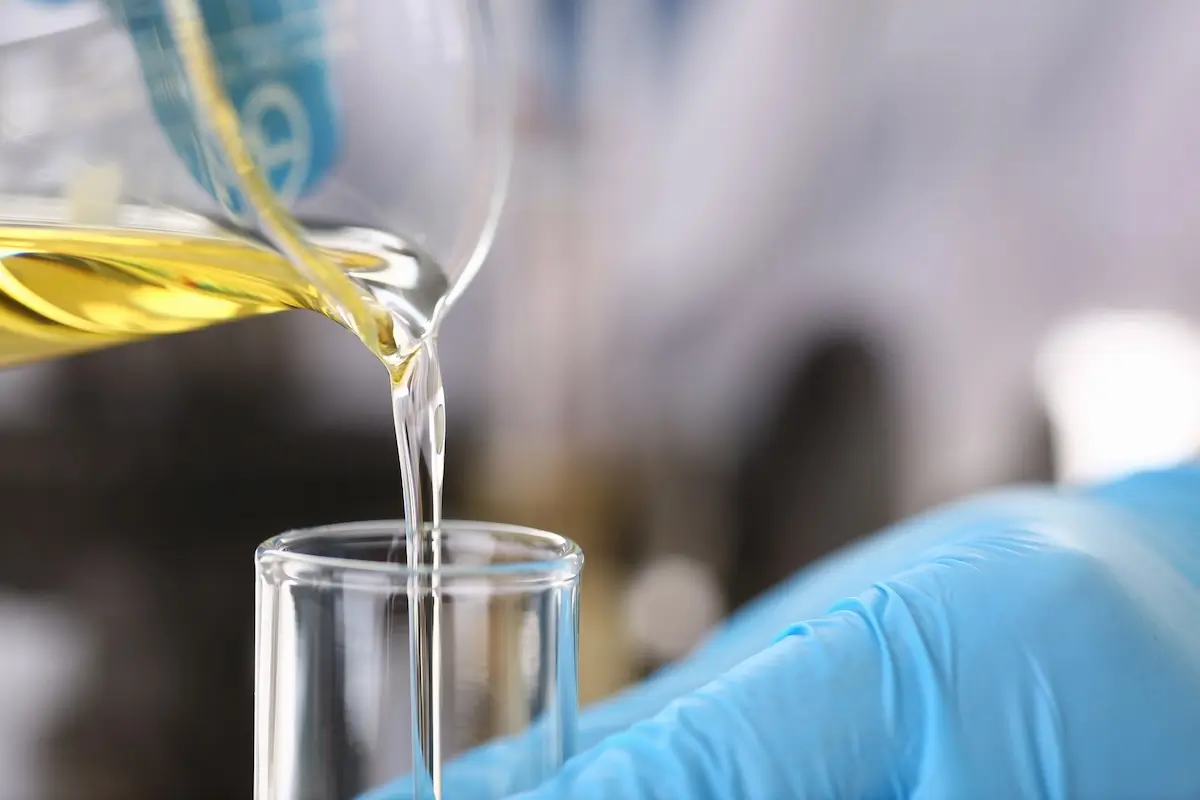
Novec 7100 replacement options NASA tested for precision and oxygen cleaning, how they compare, and what to ask your cleaning vendor.
Category: PFC
Filter Cleaning Validation: How Do You Know a Filter Is Actually Clean?
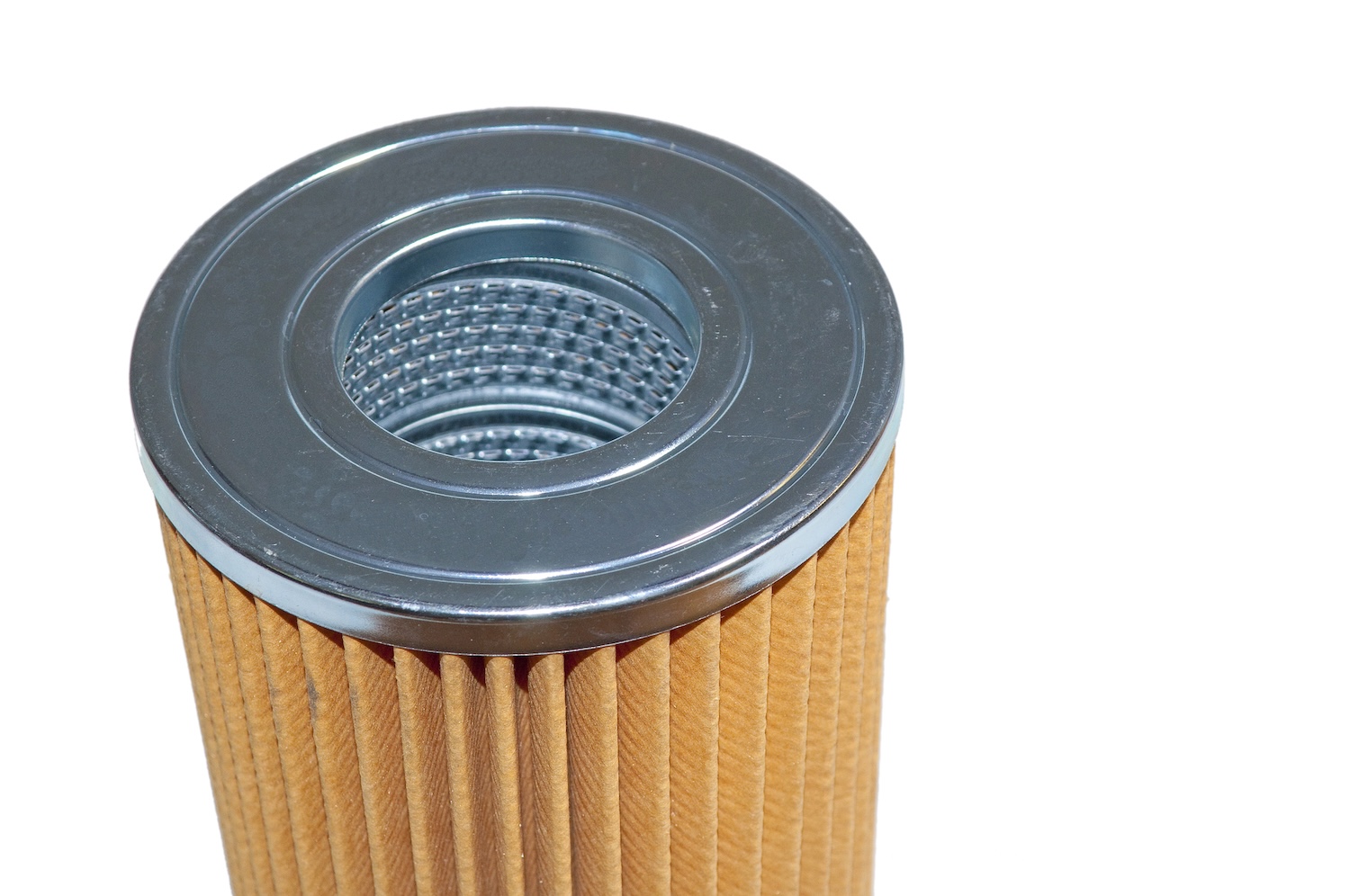
A particle has to be roughly 40 microns across before the naked eye can pick it up. NASA’s research into… Continue reading Filter Cleaning Validation: How Do You Know a Filter Is Actually Clean?
DOT Hydrostatic Testing: Intervals, Methods, and Rejection Criteria Explained
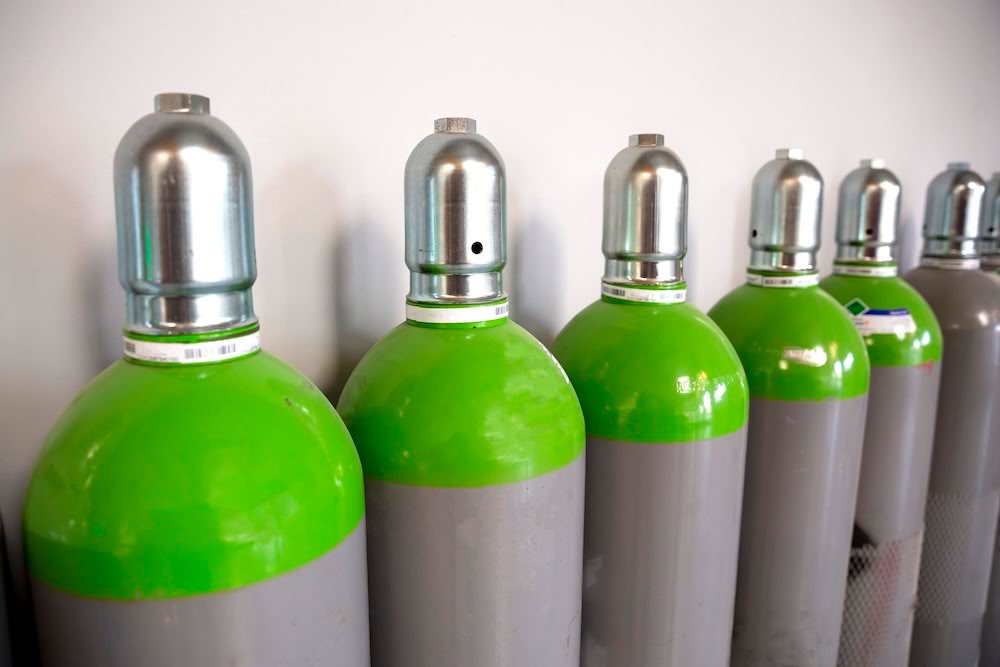
DOT hydrostatic testing is the periodic pressure test that keeps compressed gas cylinders legal to fill and safe to transport.
Hydrogen System Drying: Why Dew Point Control Matters for Storage, Transport, and Fuel Cells

Hydrogen system drying prevents ice plugs, fuel cell damage, and gas purity failures. Learn how drying works, what dew point to specify, and common mistakes to avoid.
Hydrogen NVR Testing: How to Verify Your Hydrogen System Is Actually Clean Enough
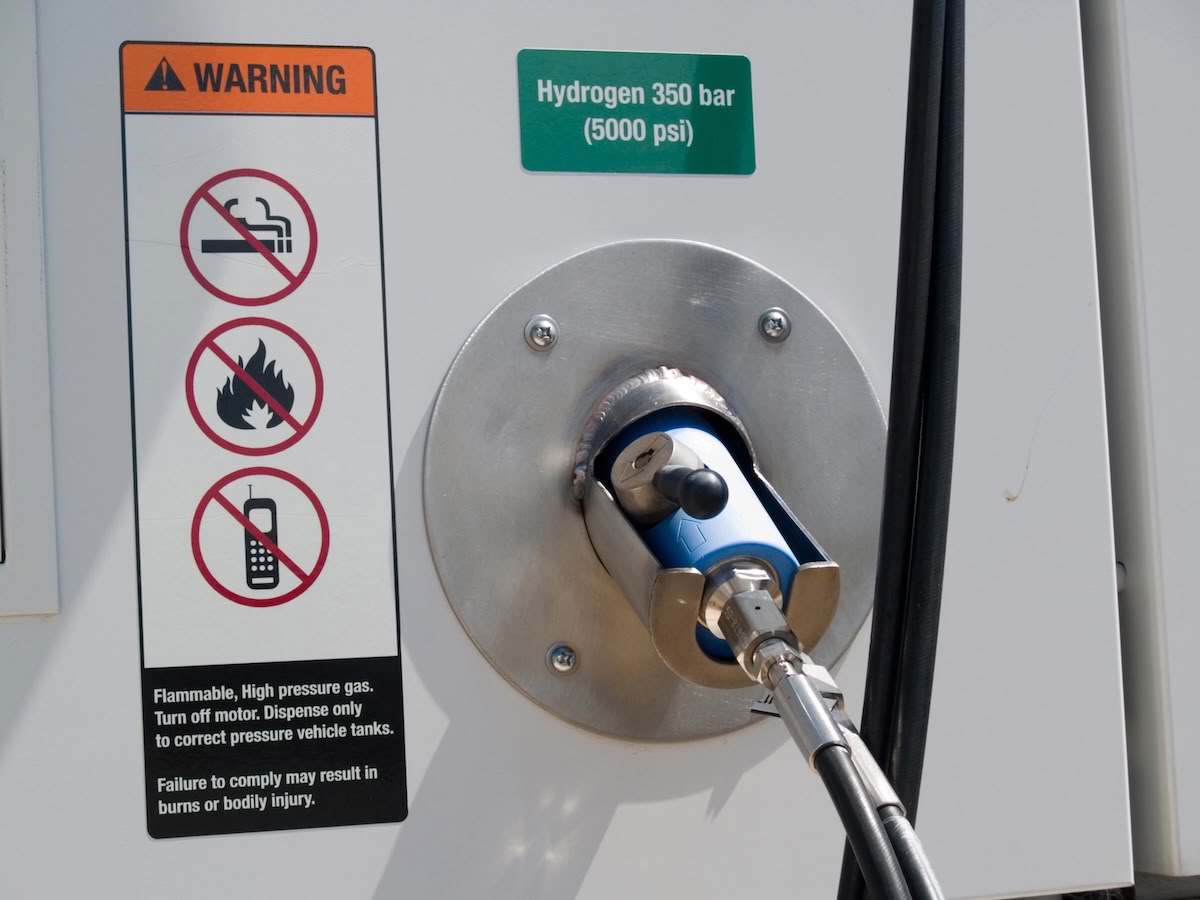
Hydrogen NVR testing proves your system cleaning met spec. Learn what NVR and particulate analysis involves, what thresholds to specify, and why verification matters.
Hydrogen Particulate Contamination: How It Shuts Down Fueling Stations and How to Prevent It
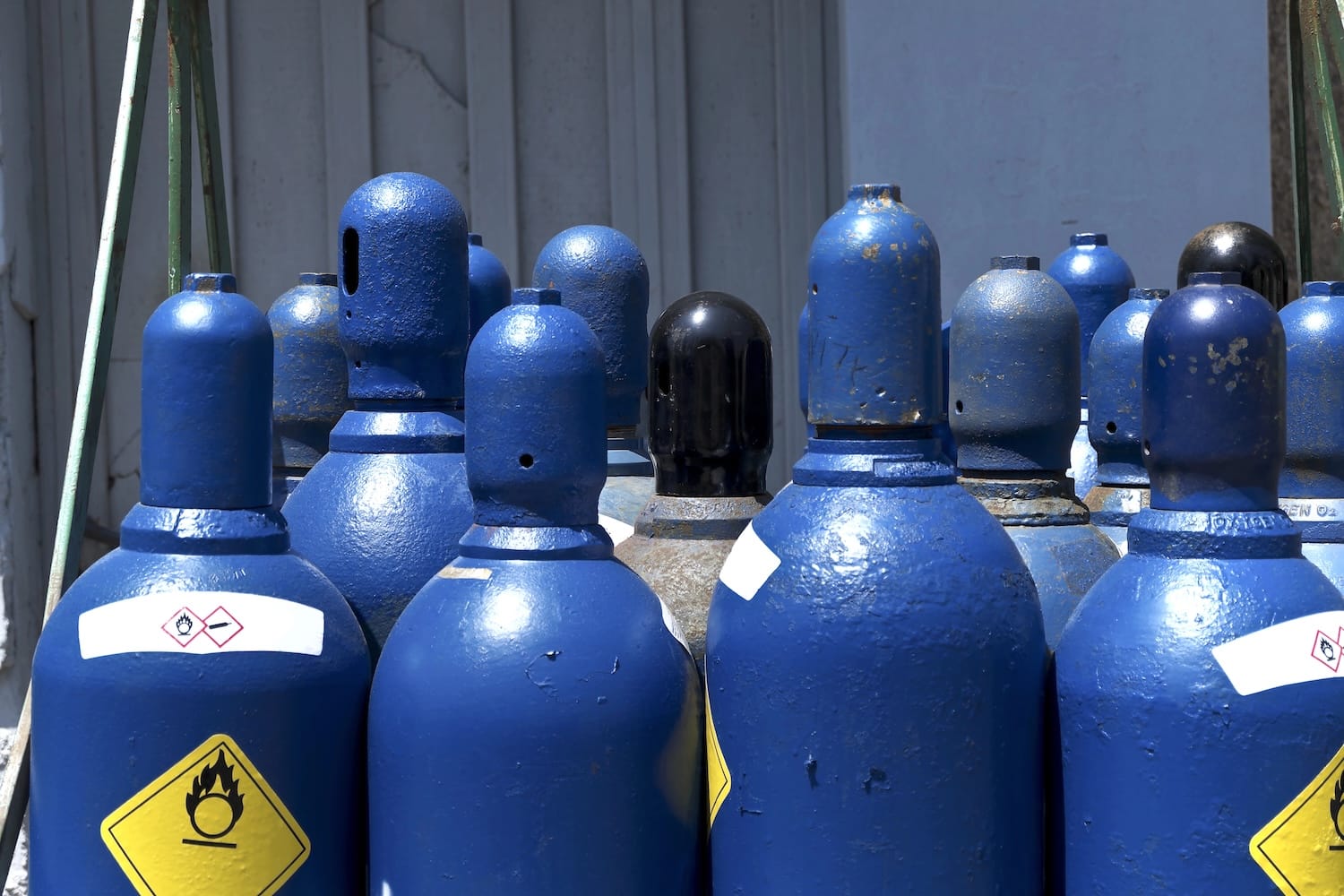
Hydrogen particulate contamination causes seal damage, filter plugging, and ESD risk. Learn where particles come from…
Pressure Gauge Selection: The Hidden Costs of Getting It Wrong
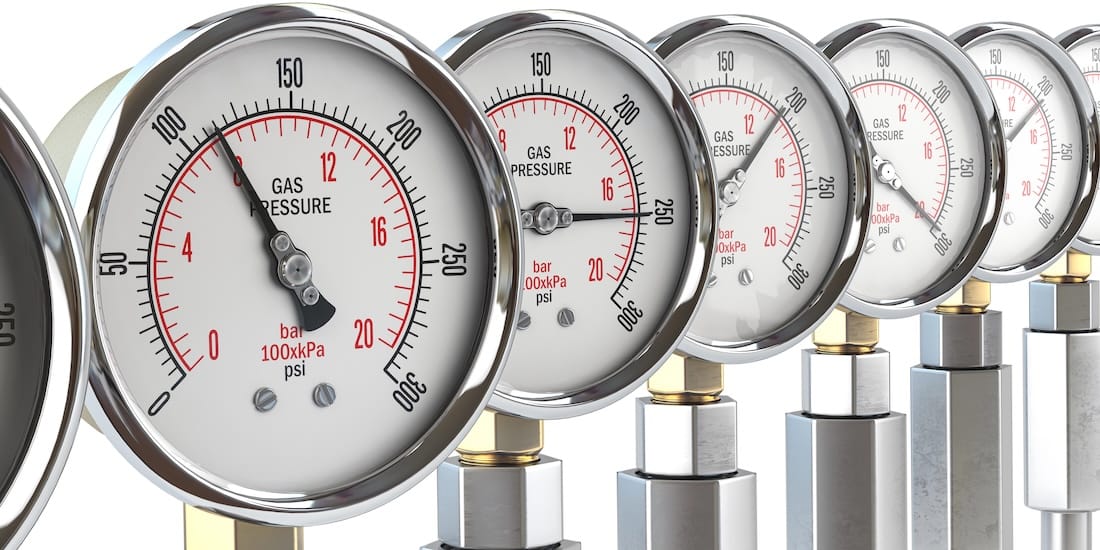
Pressure gauge selection is one of those decisions that seems straightforward until something goes wrong. When a gauge is poorly… Continue reading Pressure Gauge Selection: The Hidden Costs of Getting It Wrong
High Vacuum vs. Sniffing: How to Choose the Right Helium Leak Testing Technique
High vacuum or sniffing? Learn how to choose the right helium leak testing technique based on sensitivity needs, part size, and application requirements.
Why Your Precision Cleaned Parts Need More Than Just a Bag: A Layered Defense Strategy
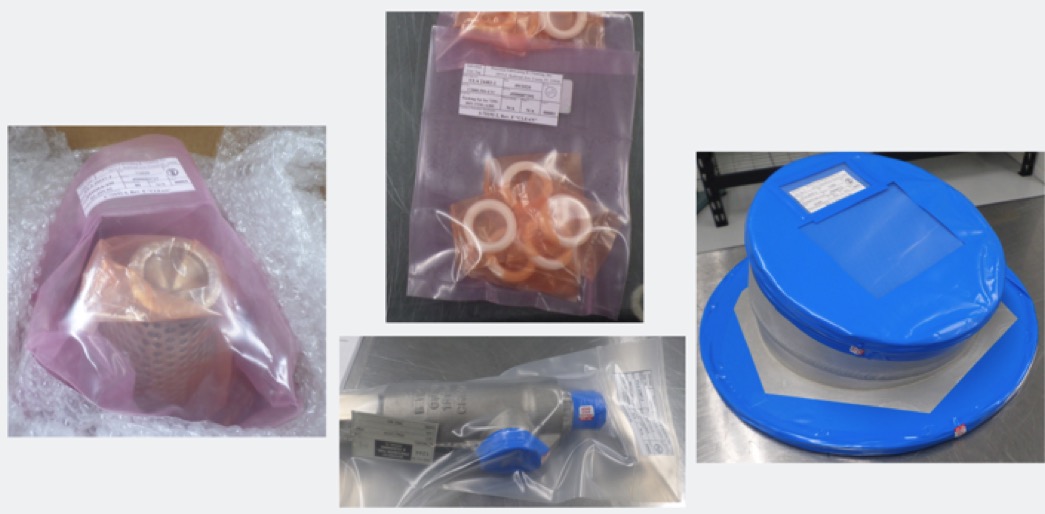
Precision cleaned parts require multi-layer packaging to maintain cleanliness. Learn the layered defense strategy that protects aerospace components from contamination.
The Science of Seeing the Invisible: How Nonvolatile Residue Detection Works

Nonvolatile residue may be invisible to the naked eye, but its presence on aerospace components can compromise an entire mission.… Continue reading The Science of Seeing the Invisible: How Nonvolatile Residue Detection Works