
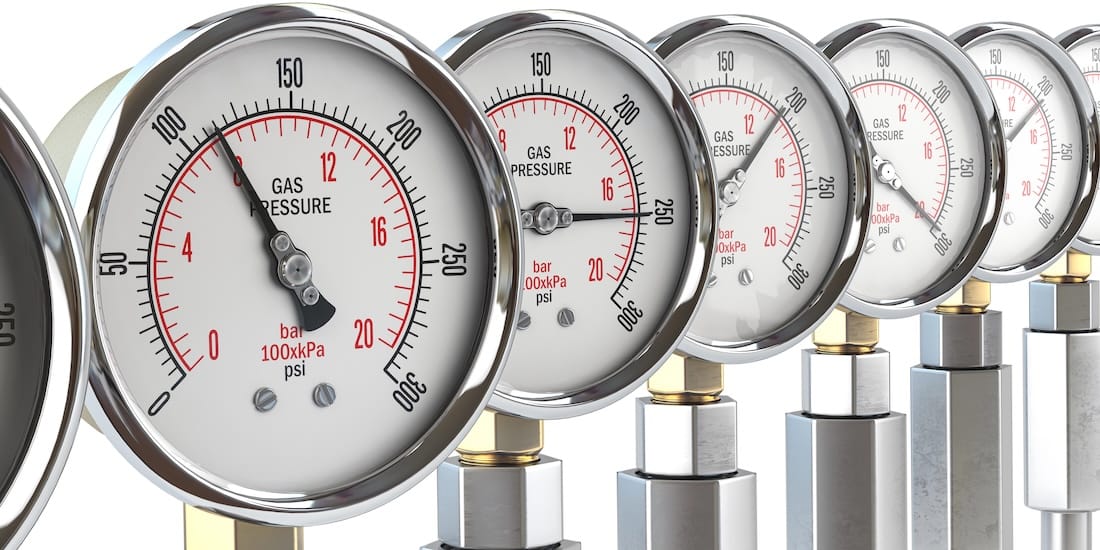
Pressure gauge selection is one of those decisions that seems straightforward until something goes wrong. When a gauge is poorly… Continue reading Pressure Gauge Selection: The Hidden Costs of Getting It Wrong
Category: PFC
High Vacuum vs. Sniffing: How to Choose the Right Helium Leak Testing Technique
High vacuum or sniffing? Learn how to choose the right helium leak testing technique based on sensitivity needs, part size, and application requirements.
Why Your Precision Cleaned Parts Need More Than Just a Bag: A Layered Defense Strategy
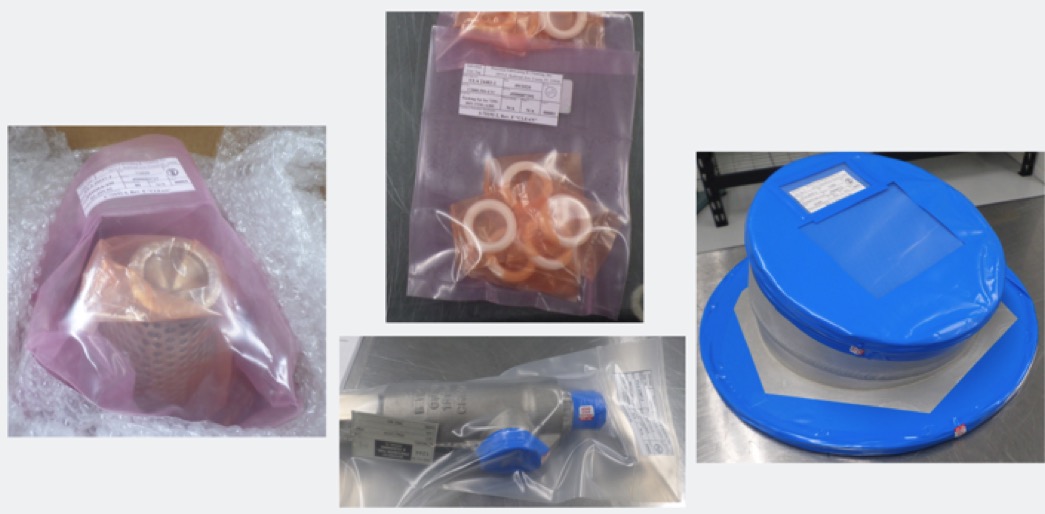
Precision cleaned parts require multi-layer packaging to maintain cleanliness. Learn the layered defense strategy that protects aerospace components from contamination.
The Science of Seeing the Invisible: How Nonvolatile Residue Detection Works

Nonvolatile residue may be invisible to the naked eye, but its presence on aerospace components can compromise an entire mission.… Continue reading The Science of Seeing the Invisible: How Nonvolatile Residue Detection Works
The Precision Cleaning Capabilities Gap: What It Takes to Meet Aerospace Industry Standards
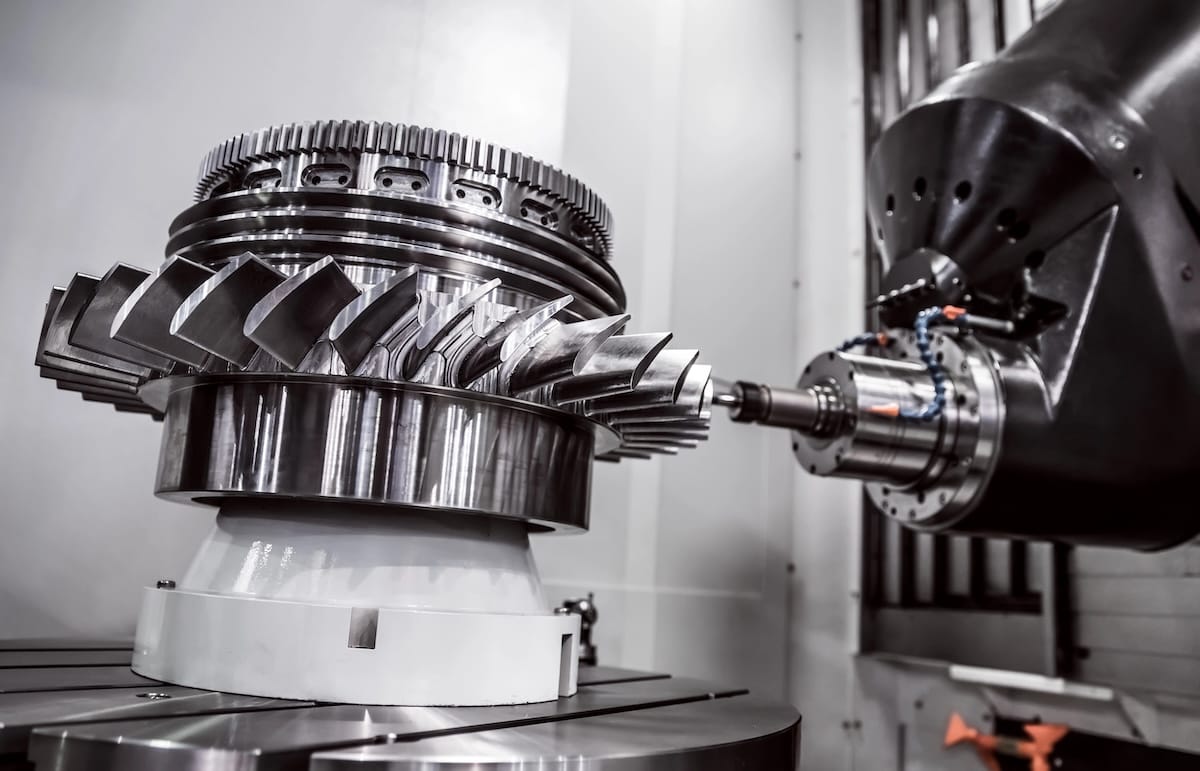
Meeting aerospace precision cleaning capabilities requirements has never been more demanding, or more consequential. In this industry, contamination isn’t simply… Continue reading The Precision Cleaning Capabilities Gap: What It Takes to Meet Aerospace Industry Standards
Essential Equipment and Techniques for Achieving Visibly Clean Standards
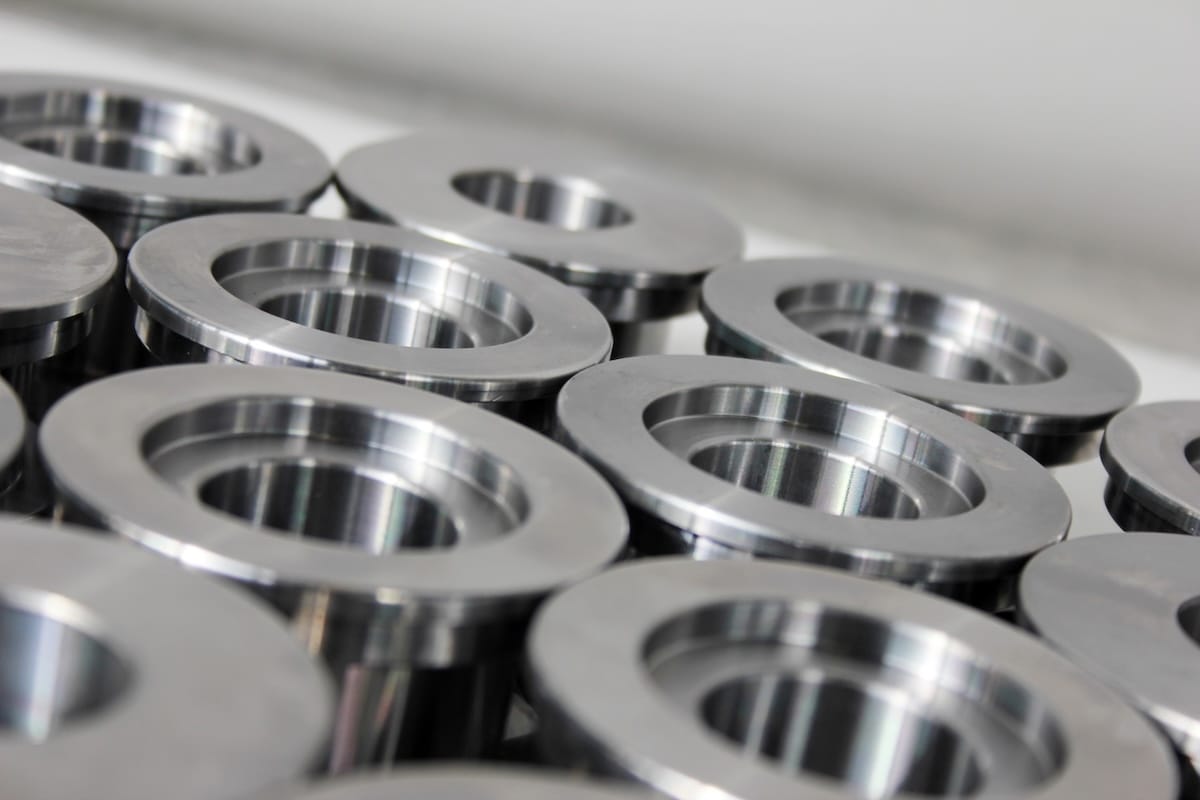
Achieving visibly clean standards in precision cleaning demands more than a casual glance under good lighting, it requires precise, measurable… Continue reading Essential Equipment and Techniques for Achieving Visibly Clean Standards
From 300 Microns to Zero: AM Particle Contamination Testing

In the world of additive manufacturing, AM particle contamination testing has emerged as a critical defense against an invisible enemy:… Continue reading From 300 Microns to Zero: AM Particle Contamination Testing
Why 70% of Cleanroom Contamination Comes from Your Team

When it comes to cleanroom contamination, there’s one source that dwarfs all others: your team. Personnel account for a staggering… Continue reading Why 70% of Cleanroom Contamination Comes from Your Team
Component Drying Methods Explained: The Science of Moisture Detection in Precision Cleaning

A component may look perfectly dry to the naked eye, yet still harbor enough moisture to cause catastrophic failure in… Continue reading Component Drying Methods Explained: The Science of Moisture Detection in Precision Cleaning
The Science Behind Oxygen Cleaning: Understanding Particle Impact Ignition and Combustion Risks

A single dust particle no larger than the width of a human hair can ignite a catastrophic fire in an… Continue reading The Science Behind Oxygen Cleaning: Understanding Particle Impact Ignition and Combustion Risks